Weekend Family Dinner Ideas at Restaurants
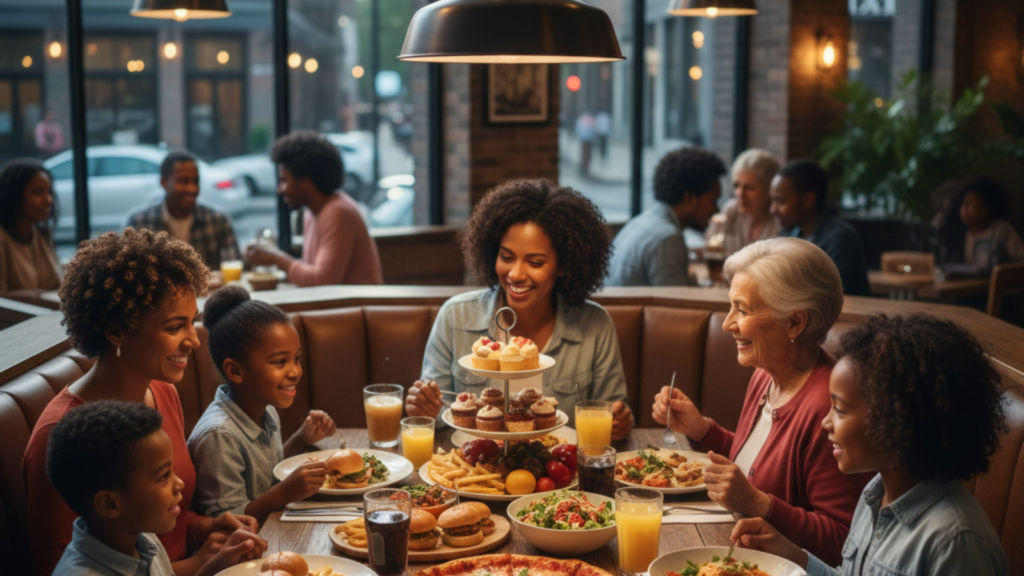
Weekend evenings are prime time for families to step out, relax, and reconnect over great food. For restaurants, this presents a major opportunity to build loyalty and increase table value. A well-planned family dinner restaurant experience can turn a simple meal into a weekly tradition. At EL Camino Kitchen, designing thoughtful weekend offerings can help attract families looking for comfort, convenience, and memorable moments together. Family diners are not just looking for food—they want an environment where everyone from kids to grandparents feels welcome. The right combination of menu planning, seating comfort, service flow, and ambiance makes all the difference. Let’s explore how restaurants can create weekend dinner experiences that families truly love. family dinner restaurant experience built on shareable meals Families naturally enjoy meals that encourage interaction. Shareable formats create a more social and engaging table dynamic compared to strictly individual plates. Popular group-friendly options include: Taco platters or fiesta boards Loaded nacho trays Mixed grill combinations Family-style rice and sides Dessert samplers for the table These formats simplify ordering and often increase average spend because guests are more likely to add “just one more” shared item. For EL Camino Kitchen, designing signature family platters can become a powerful differentiator. When meals arrive in the center of the table, the experience instantly feels more festive and connected. family dinner restaurant experience through comfortable ambiance Atmosphere plays a huge role in whether families choose to return. Parents want a space that feels lively but not chaotic, while kids need enough comfort to stay settled during the meal. Successful family-friendly environments typically include: Spacious table layouts Warm, inviting lighting Moderate background music Comfortable seating for mixed age groups Easy stroller or high-chair access Noise balance is especially important. Restaurants that are too quiet can make families feel self-conscious, while overly loud spaces create stress. At EL Camino Kitchen, creating designated family-friendly zones or flexible seating areas can significantly improve weekend flow. Small adjustments in layout often deliver big improvements in guest satisfaction. family dinner restaurant experience with flexible menu choices One of the biggest challenges in family dining is satisfying different tastes at the same table. The most successful restaurants design menus that offer variety without overwhelming guests. Winning strategies include: Mild and bold flavor options Build-your-own combinations Clearly marked vegetarian choices Kid-friendly portions Balanced mix of comfort and fresh items Customization is particularly valuable. When guests can adjust spice levels or swap proteins easily, the entire table feels accommodated. For EL Camino Kitchen, offering flexible taco or bowl combinations can help families order confidently. The easier the decision-making process, the smoother the dining experience becomes. Beverage options that please every age group Drinks play a bigger role in family dining than many restaurants realize. Parents may want refreshing cocktails, while kids look for fun, colorful beverages. Strong family beverage programs often include: Fresh mocktails or fruit coolers Shareable pitchers for the table Classic margaritas for adults Premium non-alcoholic options Dessert-style drinks for special occasions Presentation again matters. Bright garnishes and attractive glassware make the experience feel more celebratory, especially on weekends. At EL Camino Kitchen, pairing family platters with pitcher-style beverages can increase both guest satisfaction and average check size. Service flow that keeps weekends smooth Weekend family traffic can quickly overwhelm restaurants without proper planning. Efficient service systems are critical for maintaining a positive guest experience. Key service practices include: Quick greeting and seating Suggesting family bundles early Delivering kids’ meals promptly Staggering large table orders Checking back at the right moment Speed matters, particularly for families with younger children. When service feels smooth and attentive, parents are far more likely to return. Training staff specifically for weekend family dynamics can give EL Camino Kitchen a strong competitive advantage. Creating memorable weekend moments The restaurants that win family loyalty go beyond basic service—they create moments that feel special. Effective ideas include: Weekend family combo deals Birthday celebration add-ons Seasonal themed platters Kids’ dessert surprises Loyalty rewards for repeat visits These touches encourage families to view the restaurant as part of their regular routine rather than an occasional option. Final thoughts Weekend family diners are looking for more than just a place to eat—they want comfort, connection, and convenience in one smooth outing. Restaurants that design intentionally for group enjoyment consistently outperform those that treat families as just another table. By applying the right family dinner restaurant experience strategies, EL Camino Kitchen can position itself as a go-to destination for relaxed, enjoyable weekend outings. When the food is shareable, the space feels welcoming, and the service runs smoothly, families don’t just visit once—they come back again and again.
How Restaurants Create Kid-Friendly Menus
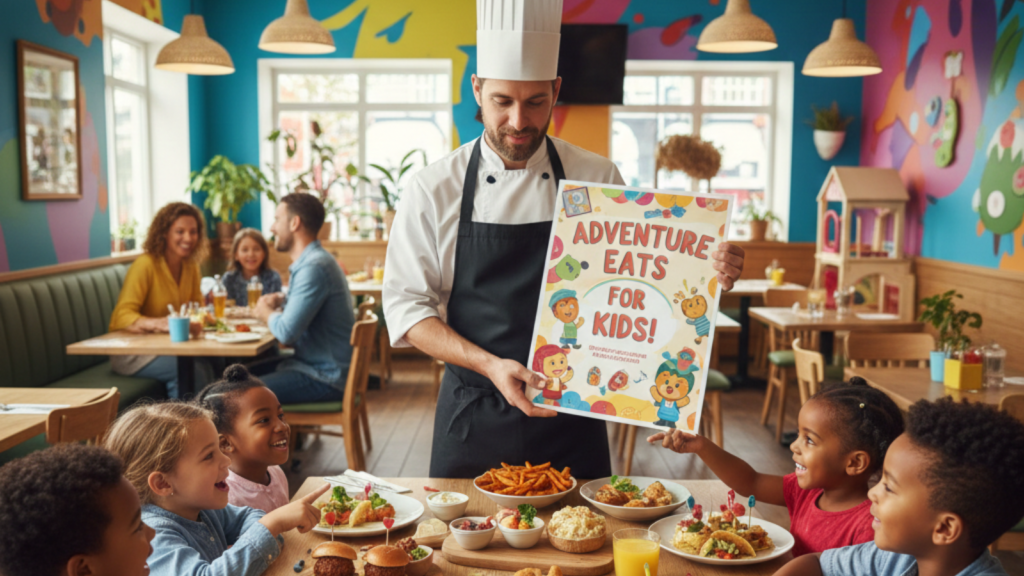
Families represent one of the most valuable customer segments in the restaurant industry. When parents find a place where their children are happy, they tend to return again and again. That’s why a thoughtful kid friendly restaurant menu design is more than just a nice add-on—it’s a powerful business strategy. For EL Camino Kitchen, creating a menu that appeals to young diners while satisfying parents can significantly increase repeat visits and positive word of mouth. A successful kids’ menu is not simply a smaller version of the adult menu. It requires careful attention to flavor, portion size, presentation, nutrition, and ease of ordering. When done right, it makes family dining smoother and more enjoyable for everyone at the table. kid friendly restaurant menu design that kids actually enjoy The biggest mistake restaurants make is assuming children only want bland food. While simplicity matters, kids still respond strongly to flavor and fun presentation. Winning kids’ menus typically include familiar favorites with a slight upgrade. Think mini tacos, mild quesadillas, cheesy rice bowls, or soft sliders. The goal is comfort with quality. Portion control is equally important. Meals should be satisfying but not overwhelming. Oversized plates often lead to waste and frustrated parents. Right-sized portions make the experience feel more thoughtful and practical. At EL Camino Kitchen, offering mild-flavored versions of signature dishes can be especially effective. This keeps the brand identity consistent while making younger guests feel included rather than sidelined. kid friendly restaurant menu design with smart nutrition balance Today’s parents are far more health-conscious than in the past. While kids still love fun comfort foods, parents appreciate menus that show some nutritional awareness. Successful restaurants strike a balance by offering: Grilled options alongside fried choices Fresh fruit or veggie sides Lower-spice alternatives Milk, fresh juices, or kid-friendly mocktails Clearly communicated ingredients The key is offering better-for-you options without making the menu feel restrictive. Parents want choice, not pressure. For EL Camino Kitchen, simple swaps—like offering grilled chicken tacos alongside crispy options—can make a big difference in parent perception. Even small healthy touches signal that the restaurant understands family needs. kid friendly restaurant menu design that simplifies ordering Family dining can become stressful when ordering is complicated. The best kids’ menus are easy to read, quick to understand, and visually engaging. Clear structure is essential. Group items into simple categories such as “Mini Meals,” “Sides,” and “Drinks.” Avoid overwhelming parents with too many variations. Visual cues help tremendously. Icons for mild spice, vegetarian options, or popular picks allow parents to decide quickly. Many successful restaurants also include fun illustrations or subtle color highlights to keep children engaged at the table. Combo meals are particularly effective. Bundling a main, side, and drink into one price reduces decision fatigue and speeds up service. At EL Camino Kitchen, well-priced kids’ combos can improve table flow during busy family hours. Presentation that makes kids excited Children often eat with their eyes first. Creative but practical presentation can significantly improve meal acceptance. Popular techniques include: Sectioned plates for easy eating Fun but neat garnishes Bright, clean plating Easy-to-hold food formats Mess-minimizing packaging However, balance is important. Overly gimmicky presentation can slow kitchen operations. The goal is fun that remains efficient. For EL Camino Kitchen, consistent, colorful plating paired with manageable portion sizes can turn a simple kids’ meal into a memorable experience that parents appreciate. Pricing strategies parents appreciate Value perception matters greatly for family dining. Parents are usually ordering multiple meals at once, so pricing must feel reasonable and transparent. Well-performing approaches include: Clearly priced kids’ combos Family bundle deals Add-on dessert options Weekend family promotions Loyalty rewards for repeat visits Avoid pricing kids’ meals too close to adult items. Parents expect a meaningful difference in both portion and price. Strategic family offers at EL Camino Kitchen—such as “Kids Eat Specials” on select days—can drive strong weekday traffic and build long-term loyalty. Service touches that complete the experience Even the best menu needs supportive service. Staff should be prepared to handle families efficiently and warmly. Small service wins include: Quick delivery of kids’ meals Offering mild customization when possible Providing extra napkins proactively Engaging politely with young guests Checking in at the right moment Speed matters especially for children. Serving kids’ meals slightly earlier than adult entrées often keeps the table happier and more relaxed. Final thoughts A well-planned kids’ menu is one of the smartest investments a restaurant can make. When children enjoy their meals and parents feel considered, family visits naturally increase. By applying strong kid friendly restaurant menu design principles, EL Camino Kitchen can position itself as a go-to destination for family dining. With the right mix of flavor, nutrition balance, simple ordering, and thoughtful presentation, the restaurant can turn first-time family visits into long-term customer relationships.
Best Group Dining Ideas for Friends and Families
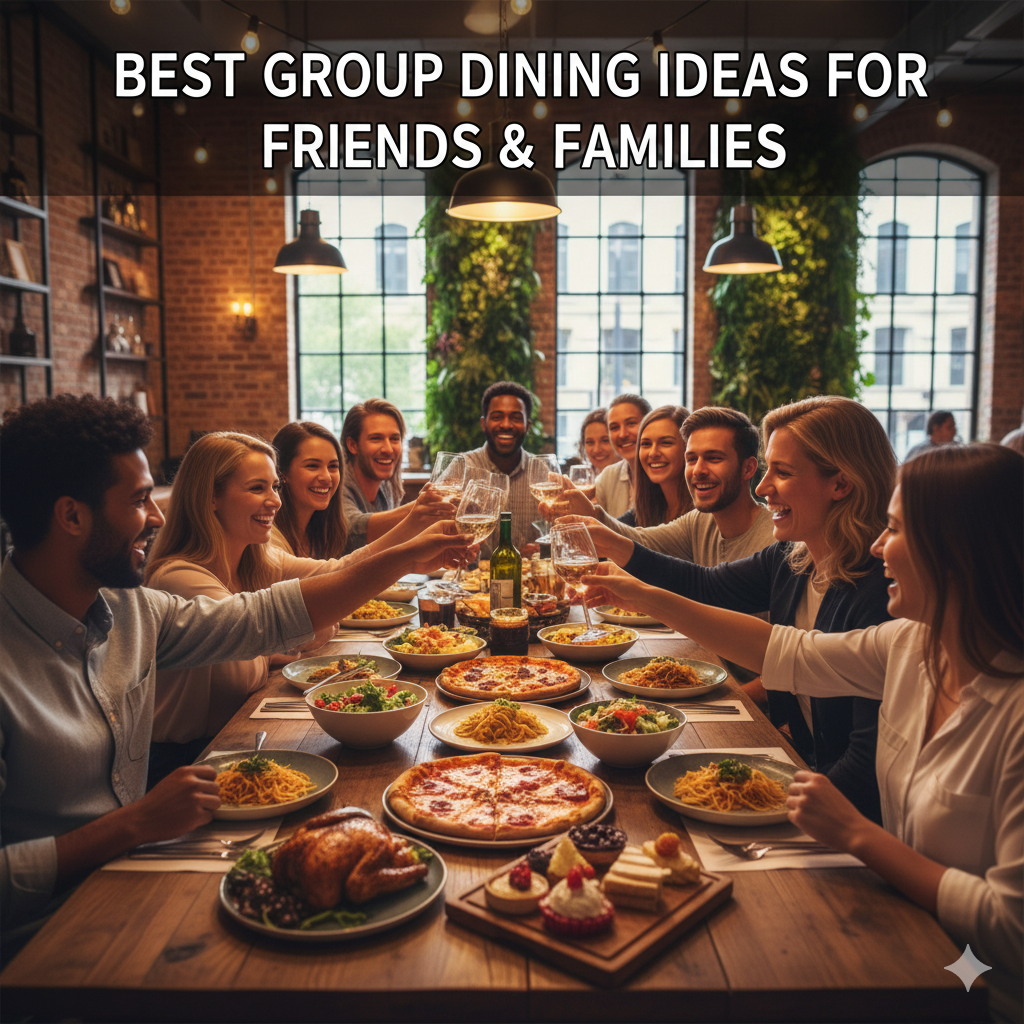
Dining out is no longer just about individual meals—it’s about shared experiences. Whether it’s family celebrations, birthday gatherings, or casual meetups, group visits are a major revenue driver for modern restaurants. With the right group dining restaurant ideas, venues like EL Camino Kitchen can turn large parties into loyal repeat customers. Successful group dining requires more than just big tables. It involves smart menu planning, flexible seating, efficient service, and an atmosphere that encourages conversation and connection. When executed well, group guests tend to order more, stay longer, and return frequently. Let’s explore the most effective strategies to make group dining truly memorable. group dining restaurant ideas for shareable menu success One of the biggest mistakes restaurants make is serving large groups with strictly individual portion menus. Shared dining formats naturally create a more social and satisfying experience. Platter-style offerings work exceptionally well. Think taco boards, loaded nacho trays, mixed grill platters, or sampler combinations. These encourage interaction at the table and simplify ordering for large parties. Family-style service is another strong performer. When dishes arrive in the center of the table, guests feel more engaged and the meal becomes more dynamic. It also speeds up kitchen execution compared to managing many customized individual orders. For EL Camino Kitchen, designing signature share platters can significantly increase average ticket size. Groups often order more when the menu is built around collective enjoyment rather than solo plates. group dining restaurant ideas that simplify ordering Large groups can slow down service if ordering becomes complicated. The best-performing restaurants make decision-making easy and fast. Prix-fixe group menus are highly effective. Offering curated meal packages for groups of four, six, or eight removes ordering stress and helps the kitchen maintain consistency during busy hours. These packages can include a mix of starters, mains, and beverages at a bundled price. Another smart tactic is limited but flexible customization. Instead of fully open menus, provide structured choices such as “choose any two proteins” or “pick your spice level.” This keeps guests happy without overwhelming the kitchen. Pre-order options for large bookings also improve flow. When EL Camino Kitchen confirms menu selections in advance for big parties, service becomes smoother and table turnover improves. group dining restaurant ideas that enhance the atmosphere The physical setup of the space plays a huge role in group satisfaction. Even great food can fall flat if guests feel cramped or disconnected. Successful group-friendly restaurants focus on: Modular tables that can be easily combined Comfortable seating with enough elbow room Good acoustic balance for conversation Warm, social lighting Clear server access paths Round or semi-communal seating arrangements often perform better than long straight rows because they encourage interaction. At EL Camino Kitchen, designating specific zones for group bookings—such as semi-private sections—can dramatically improve the experience. Groups appreciate feeling accommodated rather than squeezed into standard seating. Beverage bundles that drive higher spend Group dining is one of the best opportunities to increase beverage revenue. Instead of relying only on individual drink orders, smart restaurants offer bundled drink experiences. Popular options include: Pitcher cocktails or margaritas Beer buckets for the table Fixed-price beverage packages Mocktail sharing carafes Happy hour group add-ons These formats reduce ordering friction and create a more festive atmosphere. Groups are also more likely to continue ordering when drinks are designed for sharing. For EL Camino Kitchen, pairing signature food platters with matching beverage bundles can significantly boost per-table revenue while enhancing the guest experience. Service strategies that keep groups happy Handling large parties requires a slightly different service approach. Speed, clarity, and coordination become even more important. Servers should confirm orders carefully, repeat key details, and keep communication clear. Staggered food delivery—rather than overwhelming the table all at once—often improves comfort and presentation. Assigning one primary server per large group also helps maintain accountability and consistency. When guests know who is taking care of them, satisfaction levels tend to rise. Training staff specifically for group dynamics can give EL Camino Kitchen a noticeable edge over competitors who treat large tables the same as small ones. Creating occasions that bring groups back The most successful restaurants don’t just accommodate groups—they actively attract them. Special promotions and themed experiences can encourage repeat bookings. Effective ideas include: Birthday celebration packages Weekend family combo deals Game-night group specials Festive seasonal platters Corporate lunch bundles Marketing these experiences clearly on the website and social media helps position the restaurant as a go-to gathering destination. Final thoughts Group diners represent one of the biggest growth opportunities in today’s restaurant landscape. When menus are shareable, ordering is simple, seating is comfortable, and service is smooth, large parties naturally become repeat customers. By applying these group dining restaurant ideas, EL Camino Kitchen can transform everyday gatherings into memorable social experiences. In a market where connection matters as much as cuisine, restaurants that design for groups don’t just fill tables—they build lasting customer relationships.
Casual Dining with Premium Flavor — SoCal Style
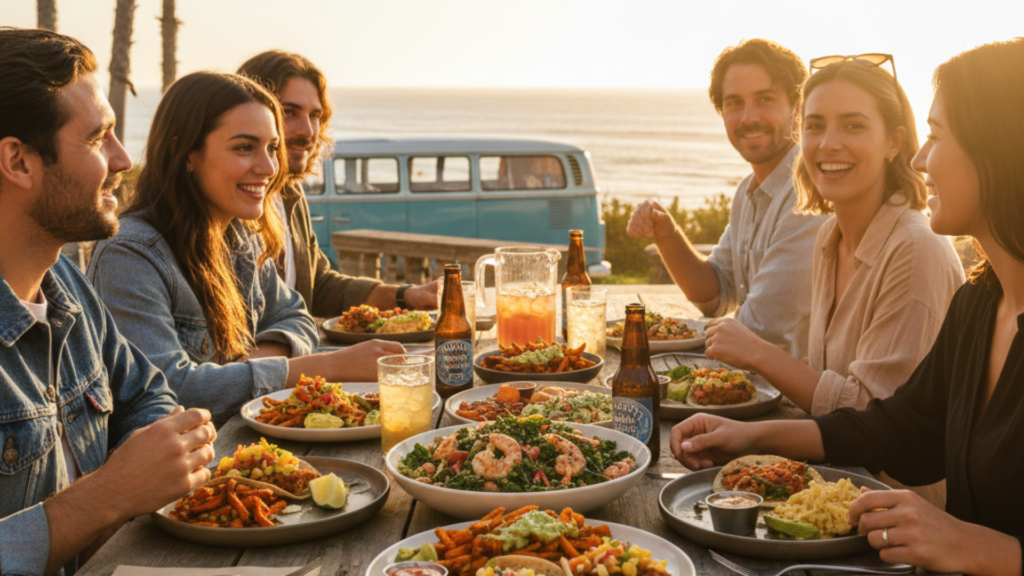
Modern diners no longer want to choose between comfort and quality—they expect both in one seamless experience. That’s exactly why the SoCal casual dining concept has become so influential across the restaurant industry. Rooted in Southern California’s laid-back lifestyle yet driven by premium ingredients and thoughtful presentation, this approach delivers the best of both worlds. For restaurants like EL Camino Kitchen, adopting this style means creating an environment where guests feel relaxed enough to stay awhile but impressed enough to return. It’s not about fine dining formality or fast-casual speed alone—it’s about delivering elevated flavor in a welcoming, approachable setting. Let’s explore what truly defines this winning formula. SoCal casual dining concept built on fresh premium ingredients At the heart of Southern California dining is an obsession with freshness. Guests expect dishes that taste vibrant, clean, and ingredient-forward rather than overly heavy or processed. Menus inspired by this approach often highlight: Fresh house-made salsas and sauces Grilled proteins instead of deep-fried options Avocado-forward creations Citrus-bright marinades Seasonal vegetable sides What makes this powerful is the balance between simplicity and quality. Even familiar comfort foods feel elevated when prepared with fresh herbs, premium oils, and scratch-made components. For EL Camino Kitchen, prioritizing ingredient transparency and bold but clean flavors can instantly communicate premium value without making the menu feel intimidating. Guests should feel they are getting restaurant-quality craftsmanship in a relaxed setting. SoCal casual dining concept through relaxed but stylish ambiance Atmosphere is a defining pillar of the Southern California dining identity. The space should feel polished but never stiff. Guests want to sense quality while still feeling comfortable arriving in everyday attire. Successful SoCal-inspired interiors typically feature: Warm ambient lighting Natural textures like wood and stone Open, airy seating layouts Pops of vibrant color Indoor-outdoor flow when possible Music also plays a subtle but important role. The ideal soundtrack is upbeat and modern without overpowering conversation. At EL Camino Kitchen, even modest upgrades—such as greenery, textured tableware, or warmer lighting—can help recreate this signature vibe. The goal is effortless sophistication, not formal luxury. SoCal casual dining concept for modern menu flexibility Today’s diners value choice and customization more than ever. One reason the Southern California model travels so well globally is its adaptable menu structure. Common features include: Build-your-own bowls or tacos Protein and topping swaps Clearly marked vegetarian options Shareable small plates Balanced mix of indulgent and lighter items This flexibility reflects real dining behavior. Some guests want something light and fresh, while others crave bold comfort food. A smart SoCal-style menu accommodates both without feeling cluttered. For EL Camino Kitchen, offering customizable combinations can increase guest satisfaction and improve operational efficiency. It also encourages repeat visits because customers can create a slightly different experience each time. Beverage programs that match the energy No Southern California dining experience feels complete without a strong beverage lineup. Drinks should feel as fresh and visually appealing as the food. Key beverage traits often include: Fresh citrus-forward cocktails Craft margaritas and spritzes Premium but approachable spirits Eye-catching garnishes Quality non-alcoholic options Presentation is critical. Colorful drinks served in distinctive glassware often become signature social-media moments for guests. At EL Camino Kitchen, aligning beverage creativity with the food menu strengthens the overall brand story. When both kitchen and bar reflect the same fresh, vibrant identity, the experience feels intentional and memorable. Service style: casual but attentive Service in the SoCal model strikes a careful balance. Staff should be knowledgeable and efficient while maintaining a friendly, relaxed tone. Guests typically expect: Quick, smooth seating Confident but approachable recommendations Timely check-ins without hovering Warm, upbeat interactions Training teams to deliver this style consistently can significantly elevate guest perception. Even small improvements in service energy often lead to stronger reviews and repeat visits. Why this concept works so well today The growing popularity of this dining model is no coincidence. It aligns perfectly with modern consumer expectations: quality food, relaxed environments, visual appeal, and menu flexibility. The SoCal approach succeeds because it feels: Premium but approachable Trendy but comfortable Flavorful but balanced Social but efficient For EL Camino Kitchen, leaning into this philosophy can help capture a wide demographic—from casual weeknight diners to weekend social groups. Final thoughts The Southern California dining style proves that restaurants don’t have to choose between casual comfort and premium quality. When fresh ingredients, thoughtful design, flexible menus, and warm service come together, the result is an experience guests genuinely enjoy. By applying the insights behind the SoCal casual dining concept, EL Camino Kitchen can position itself as a modern, high-energy destination that keeps customers coming back. In today’s competitive market, that blend of relaxed atmosphere and elevated flavor is exactly what wins long-term loyalty.
Why SoCal Food Culture Is Loved Worldwide
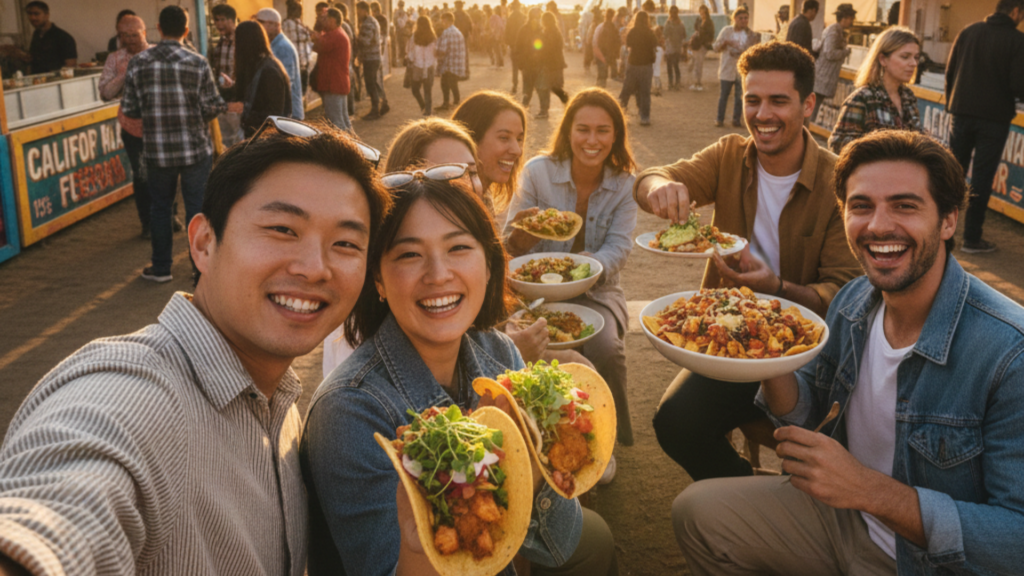
Southern California has quietly become one of the most influential culinary regions in the world. From vibrant taco spots to health-forward café menus, its dining philosophy has shaped how modern restaurants operate globally. In this SoCal food culture trends guide, we explore why this regional style resonates so strongly with today’s diners and how concepts like EL Camino Kitchen can successfully channel its appeal. The secret lies in balance. SoCal food culture blends freshness with bold flavor, casual comfort with visual sophistication, and innovation with authenticity. These qualities align perfectly with evolving global dining preferences. SoCal food culture trends driven by fresh-first thinking Freshness is arguably the most recognizable hallmark of Southern California cuisine. Diners today increasingly seek food that feels clean, vibrant, and ingredient-focused rather than heavy or overly processed. In SoCal kitchens, menus often highlight: Seasonal produce Citrus-forward marinades Avocado-based dishes Grilled over fried preparations House-made salsas and dressings This fresh-first mindset appeals strongly to health-conscious consumers worldwide. It allows restaurants to deliver bold flavor while maintaining a light, energizing feel. For EL Camino Kitchen, emphasizing scratch-made components and bright flavor profiles can instantly communicate this California-inspired freshness. Guests are more likely to return when meals leave them satisfied but not weighed down. SoCal food culture trends shaping modern restaurant design Beyond the plate, Southern California has redefined how restaurants look and feel. The region favors environments that are stylish yet relaxed—an approach that many global markets are now adopting. Common SoCal-inspired design elements include: Warm natural lighting Indoor-outdoor seating flow Earthy textures like wood and stone Greenery and plant accents Open, social seating layouts This design philosophy reflects the California lifestyle: casual but curated. Guests want spaces where they can comfortably linger while still feeling they are somewhere special. At EL Camino Kitchen, small upgrades such as warm lighting, modern rustic finishes, and vibrant table settings can recreate this atmosphere without requiring a full redesign. The key is achieving that effortless, welcoming energy. SoCal food culture trends influencing global menus One reason Southern California cuisine travels so well is its flexibility. The region embraces culinary fusion, dietary inclusivity, and customizable formats—features that modern diners increasingly expect. Globally popular menu traits inspired by SoCal include: Build-your-own bowls and tacos Plant-forward options Clearly labeled dietary choices Shareable small plates Lighter, balanced flavor profiles This adaptability allows restaurants to serve diverse audiences without losing brand identity. It also encourages repeat visits because guests can personalize their meals each time. For EL Camino Kitchen, incorporating customizable elements and clearly communicating fresh, balanced options can significantly enhance guest satisfaction. Today’s diners appreciate choice almost as much as flavor. The power of visual appeal and social media Another major reason SoCal cuisine has gained worldwide attention is its visual strength. Southern California restaurants understand that presentation drives digital sharing, which in turn drives organic marketing. Signature visual strategies include: Colorful, layered cocktails Bright garnishes and fresh herbs Clean, modern plating Textural contrast on the plate Distinctive glassware and serveware Food that looks vibrant naturally performs better on social platforms. Many SoCal-inspired venues design dishes specifically with photo appeal in mind. At EL Camino Kitchen, focusing on consistent, eye-catching presentation can help turn everyday guests into brand ambassadors. In the current dining landscape, visual identity is nearly as important as taste. Beverage culture that matches the vibe Southern California’s influence extends strongly into beverage programs. Fresh margaritas, craft cocktails, spritz-style drinks, and premium non-alcoholic options all reflect the region’s preference for drinks that feel refreshing and modern. Key beverage characteristics often include: Fresh citrus components Balanced sweetness Light, session-friendly options Creative garnishes Premium but approachable spirits A strong drink menu reinforces the overall SoCal experience and increases average spend per guest. For EL Camino Kitchen, aligning beverage creativity with fresh, vibrant food can create a cohesive brand story that customers remember. Why the global love continues to grow The worldwide appeal of Southern California dining is not accidental. It aligns perfectly with current consumer priorities: health awareness, customization, visual appeal, and relaxed social experiences. SoCal cuisine feels: Modern but approachable Flavorful but balanced Premium but comfortable Trendy but rooted in freshness These qualities give restaurants a blueprint that works across markets and demographics. Final thoughts Southern California has reshaped global dining by proving that food can be both exciting and approachable at the same time. Its emphasis on freshness, atmosphere, flexibility, and visual storytelling continues to influence restaurants around the world. By embracing the insights from this SoCal food culture trends guide, EL Camino Kitchen can strengthen its positioning as a vibrant, modern destination. When the menu feels fresh, the space feels inviting, and the experience feels effortless, guests naturally fall in love—and keep coming back.
California-Inspired Mexican Fusion Explained
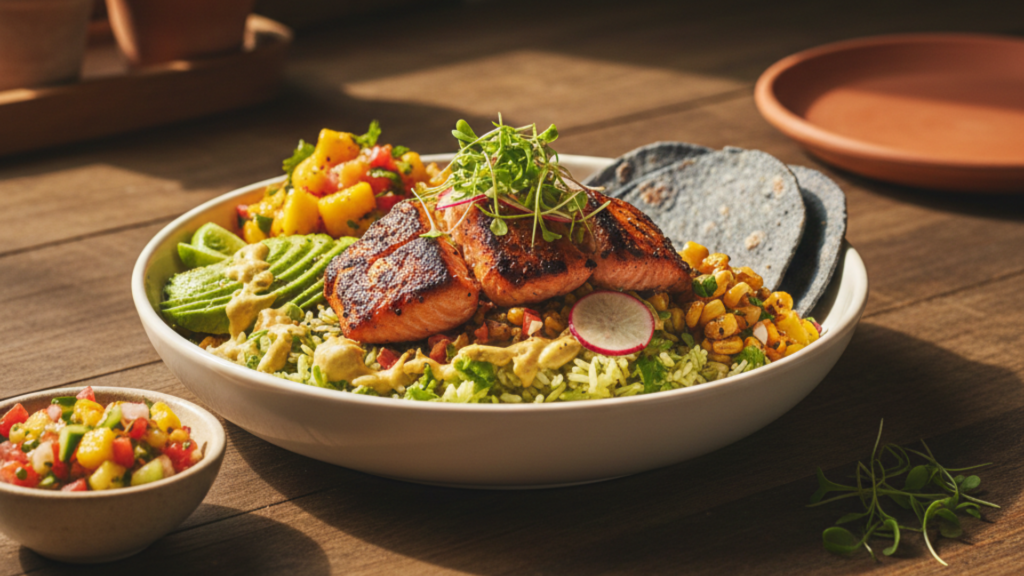
Modern diners crave food that feels both authentic and exciting. That’s exactly why California Mexican fusion cuisine has become one of the fastest-growing restaurant trends. By combining the bold heritage of Mexican cooking with the fresh, health-forward mindset of California dining, this style delivers vibrant flavors in a modern, approachable way. For EL Camino Kitchen, embracing this fusion is more than a trend—it’s a strategic opportunity to attract diverse guests seeking something familiar yet refreshingly new. Let’s explore what defines this culinary movement and why it resonates so strongly with today’s customers. California Mexican fusion cuisine rooted in fresh ingredients Freshness is the foundation of this culinary style. While traditional Mexican food already celebrates bold natural flavors, the California influence elevates ingredient quality and presentation even further. Typical characteristics include: Avocado-forward dishes Citrus-bright marinades House-made salsas Grilled rather than heavy fried proteins Herb-driven sauces The result is food that feels vibrant instead of heavy. Diners enjoy the comfort of Mexican flavors while appreciating the lighter, cleaner finish associated with California cuisine. At EL Camino Kitchen, highlighting fresh herbs, scratch-made components, and colorful plating can instantly communicate this modern identity. Guests increasingly notice when ingredients taste fresh and thoughtfully prepared. California Mexican fusion cuisine in modern menu formats Another defining feature of this movement is flexibility. California dining culture strongly favors customization, and Mexican cuisine adapts naturally to this approach. Successful fusion menus often include: Build-your-own taco options Customizable burrito bowls Protein swap flexibility Clearly marked vegetarian items Shareable small plates This structure appeals to today’s diners who want control over their meals. It also helps restaurants maintain operational efficiency by working from a versatile ingredient base. For EL Camino Kitchen, offering mix-and-match taco platters or customizable bowls can enhance both guest satisfaction and kitchen flow. When guests can personalize their plates, they are more likely to return for repeat visits. California Mexican fusion cuisine through bold presentation Visual appeal plays a major role in the success of modern restaurants, and this fusion style fully embraces that reality. California’s clean plating style combined with Mexican cuisine’s rich colors creates highly photogenic dishes. Signature presentation elements often include: Bright microgreens or fresh herb garnishes Charred grill finishes Colorful layered cocktails Rustic-modern serveware Fresh lime accents In today’s social media-driven dining culture, presentation is powerful marketing. Guests frequently share meals that look vibrant and fresh. For EL Camino Kitchen, investing in consistent plating standards and eye-catching serveware can significantly elevate perceived value. Even familiar dishes feel premium when presented thoughtfully. Flavor balance that defines the experience What truly sets this fusion apart is balance. Traditional Mexican cuisine often celebrates deep, rich flavors, while the California approach introduces brightness and restraint. Common flavor strategies include: Using citrus to cut richness Pairing spice with cooling elements Incorporating fresh slaws for texture Highlighting grilled over fried methods Letting key ingredients shine This balance makes dishes feel modern and widely appealing, especially to health-conscious diners. It also encourages guests to order multiple items because the meal feels lighter overall. At EL Camino Kitchen, maintaining harmony between bold spices and fresh elements can become a major competitive advantage. Beverage programs that complete the concept A strong beverage lineup is essential to the full California-Mexican dining experience. Fresh margaritas, light spritzes, craft mocktails, and premium non-alcoholic options all support the brand story. Key beverage characteristics often include: Fresh citrus components Balanced sweetness Vibrant garnishes Premium but approachable spirits Instagram-worthy presentation Pairing bright, refreshing drinks with bold fusion dishes creates a cohesive and memorable guest journey. For EL Camino Kitchen, aligning the bar program with the kitchen’s fresh-forward philosophy strengthens overall brand identity. Why this trend continues to grow The popularity of this fusion style is driven by changing consumer expectations. Today’s diners want food that feels authentic but not heavy, indulgent but still fresh. California-Mexican fusion delivers: Familiar comfort with modern polish Health-conscious perception Strong visual appeal Menu flexibility Broad demographic reach These qualities make it highly adaptable across different markets and customer segments. Final thoughts California-Mexican fusion succeeds because it respects tradition while embracing innovation. It combines the bold soul of Mexican cooking with the freshness and visual sophistication of California cuisine. By applying the principles of California Mexican fusion cuisine, EL Camino Kitchen can create a menu and dining atmosphere that feels current, vibrant, and highly repeat-worthy. When freshness, flexibility, and bold flavor come together, the result is an experience that today’s diners genuinely love.
What Defines a True SoCal Dining Experience
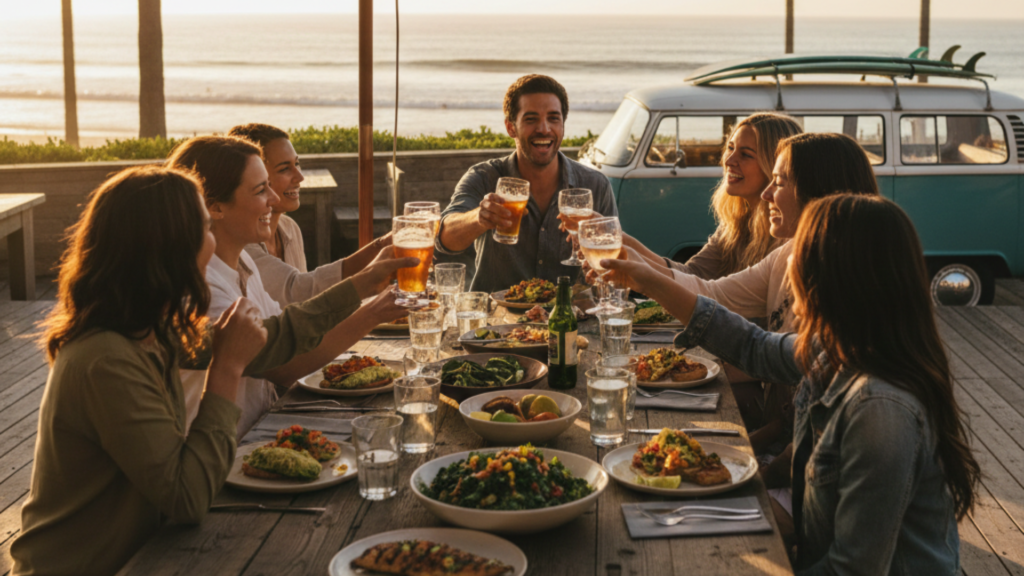
Southern California has shaped one of the most influential food cultures in the United States. From sun-soaked patios to bold, fresh flavors, the region’s dining style blends casual comfort with elevated culinary creativity. This SoCal dining experience guide explores what truly defines the Southern California restaurant vibe and how places like EL Camino Kitchen can bring that energy to their guests. A true SoCal dining experience is not just about the food—it’s about atmosphere, freshness, lifestyle, and the feeling of relaxed sophistication. Let’s break down the key elements that make this dining culture so distinctive and appealing. SoCal dining experience guide: fresh and vibrant flavors At the heart of Southern California cuisine is freshness. Diners expect bright, clean flavors that highlight quality ingredients rather than heavy preparation. Seasonal produce, citrus notes, herbs, and balanced spice levels are all signature characteristics. Menus inspired by SoCal often feature: Fresh salsas and house-made sauces Grilled proteins with light marinades Avocado-forward dishes Citrus-driven dressings Farm-to-table vegetables The emphasis is always on ingredients that taste alive and natural. Even indulgent dishes typically include a refreshing element to keep the meal from feeling heavy. For EL Camino Kitchen, leaning into fresh herbs, house-made components, and vibrant plating can instantly communicate that SoCal spirit. Guests should feel the food is both flavorful and energizing. SoCal dining experience guide through ambiance and design Atmosphere plays a massive role in defining the Southern California dining identity. Unlike formal fine dining environments, SoCal restaurants typically strike a balance between polished and relaxed. Key design elements often include: Warm natural lighting Indoor-outdoor flow or patio seating Earthy textures like wood and stone Bright but not harsh color palettes Open, welcoming layouts Music selection also matters. Upbeat but laid-back playlists help create the signature relaxed energy guests associate with the region. At EL Camino Kitchen, even small touches—such as greenery, textured tableware, or warm ambient lighting—can help recreate that breezy California feel. The goal is to make guests feel comfortable enough to linger while still sensing an elevated dining environment. SoCal dining experience guide to menu versatility One defining trait of Southern California restaurants is menu flexibility. Diners in the region value choice, customization, and dietary inclusivity. Successful SoCal-style menus typically cater to a wide range of preferences without feeling cluttered. Popular characteristics include: Build-your-own options Clearly marked vegetarian or lighter choices Shareable small plates Balanced mix of indulgent and healthy items This versatility reflects the lifestyle of the region, where guests may be health-conscious at lunch but ready for bold flavors at dinner. For EL Camino Kitchen, offering customizable elements—such as protein choices, spice levels, or add-ons—can enhance the guest experience. It signals modern thinking and guest-first menu design, both central to the SoCal approach. The importance of beverage culture No Southern California dining experience feels complete without a strong beverage program. Fresh cocktails, light spritzes, craft margaritas, and premium non-alcoholic options all play a role. Presentation is especially important. Drinks should look as refreshing as they taste, often featuring citrus garnishes, colorful layers, or distinctive glassware. Many SoCal venues also emphasize lower-ABV and fresh-ingredient cocktails that align with the region’s wellness-conscious mindset. At EL Camino Kitchen, pairing vibrant food with equally eye-catching beverages can significantly strengthen the overall brand impression. Guests often judge the modernity of a restaurant by its drink menu. Service style: polished but personal Another defining feature of the SoCal dining scene is approachable service. Staff are knowledgeable and attentive but rarely overly formal. The tone is friendly, relaxed, and conversational. Guests expect: Quick, efficient seating Confident menu recommendations Attentive but not intrusive check-ins A welcoming, upbeat attitude Training teams to deliver warm, authentic interactions can dramatically enhance the perceived dining experience. Even excellent food can fall flat if service feels stiff or disconnected. Why this matters for EL Camino Kitchen Adopting SoCal-inspired principles can help EL Camino Kitchen stand out in a competitive restaurant market. Today’s diners increasingly prefer experiences that feel both premium and comfortable. By focusing on fresh ingredients, vibrant presentation, relaxed ambiance, and guest-friendly menu design, the restaurant can create a destination that encourages repeat visits and positive word-of-mouth. Small operational details—like consistent plating, energetic service, and thoughtful lighting—often make the biggest difference in guest perception. Final thoughts A true Southern California dining experience is a carefully balanced blend of freshness, atmosphere, flexibility, and lifestyle appeal. It feels effortless but is actually built on thoughtful culinary and hospitality decisions. By applying the insights from this SoCal dining experience guide, EL Camino Kitchen can craft an environment where guests come not just to eat, but to unwind, socialize, and return again and again. When the food is vibrant, the space feels inviting, and the service is warm, the SoCal spirit naturally comes to life.
How Bartenders Balance Sweet, Sour and Strong Flavors
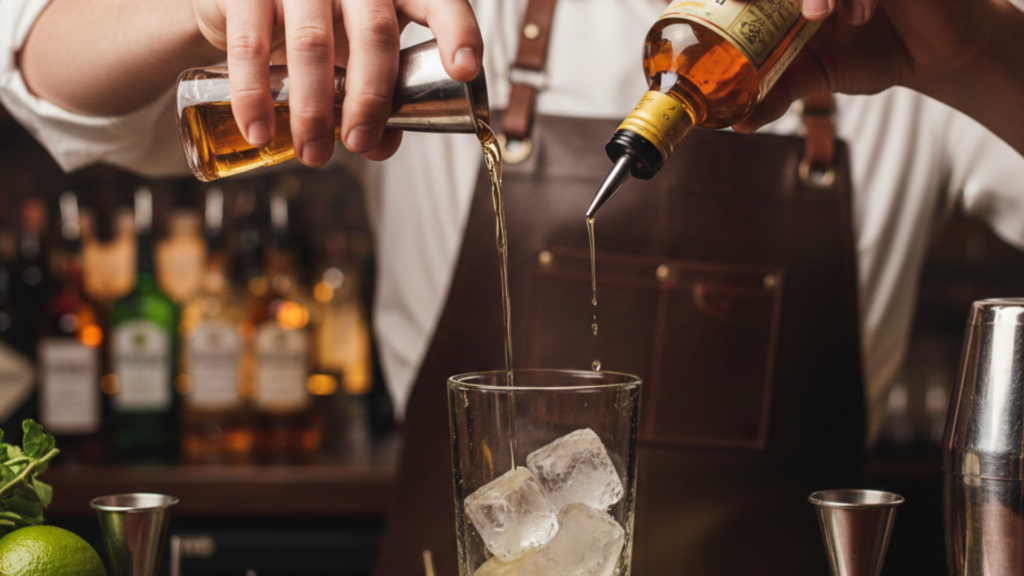
Creating a memorable cocktail is both science and art. Behind every smooth, crowd-pleasing drink is a thoughtful method that experienced bartenders follow. This cocktail flavor balance guide explains how professionals harmonize sweet, sour, and strong elements to create beverages that taste refined rather than overwhelming. For restaurants like EL Camino Kitchen, understanding this balance is essential for delivering consistent, high-quality drinks that keep guests ordering another round. When these three components are properly aligned, cocktails feel smooth, layered, and refreshing. When they are not, drinks quickly become too sugary, too sharp, or too boozy. Let’s explore how expert bartenders achieve that perfect middle ground. cocktail flavor balance guide: understanding the core trio At the heart of every well-built cocktail is a simple structure. Most drinks rely on three primary elements working together: Sweet – simple syrup, flavored syrups, liqueurs, fruit juicesSour – lemon juice, lime juice, shrubs, acidic mixersStrong – base spirits such as tequila, rum, whiskey, or vodka Professional bartenders often start with the classic 2:1:1 ratio (strong : sour : sweet). While not universal, it provides a reliable baseline for many cocktails. The goal is harmony. Sweetness should soften acidity, acidity should brighten the drink, and alcohol should provide body without harshness. At EL Camino Kitchen, training staff to recognize this relationship can dramatically improve drink consistency across busy service hours. cocktail flavor balance guide for controlling sweetness Sweet ingredients make cocktails approachable, but they are also the easiest to overuse. Too much sugar can mask complexity and leave a heavy finish that discourages repeat orders. Skilled bartenders manage sweetness through careful ingredient selection and measurement. Simple syrup offers neutral sweetness, while agave, honey, or flavored syrups add character. Choosing the right sweetener allows the drink to feel intentional rather than generic. Precision is equally important. Professional bars rely on jiggers instead of free-pouring, ensuring every cocktail tastes the same regardless of who is behind the bar. Even a small excess of syrup can throw off the entire profile. Dilution also plays a subtle role. Proper shaking slightly reduces perceived sweetness by integrating water into the mixture. When done correctly, the cocktail tastes rounded and clean rather than sugary. This level of control is especially valuable for high-volume venues like EL Camino Kitchen, where consistency builds trust with repeat guests. cocktail flavor balance guide to perfect acidity Acidity is what gives cocktails their refreshing edge. Without sour elements, most drinks would taste flat and heavy. However, balance is critical—too much citrus quickly becomes sharp and unpleasant. Fresh juice is the gold standard in professional bars. Lemon and lime begin losing brightness soon after squeezing, which is why quality-focused restaurants juice in small batches throughout service. Using bottled alternatives often results in dull or artificial flavor. Matching the acid to the spirit is another expert move. Lime typically complements tequila and rum beautifully, while lemon pairs more naturally with whiskey and gin. These natural affinities help create smoother drinks with less effort. Temperature and dilution also affect perceived acidity. Proper chilling softens the bite of citrus, making the cocktail feel crisp rather than aggressive. When EL Camino Kitchen maintains strict standards for fresh juice and proper chilling, the difference is immediately noticeable to guests. The importance of managing alcohol strength The “strong” component defines the personality of the cocktail. It provides aroma, depth, and structure. But if the alcohol dominates too heavily, the drink becomes harsh and unbalanced. Experienced bartenders rely on measured pours to keep the spirit in check. While the base liquor usually leads the recipe, it should integrate smoothly with the other elements rather than overpower them. Dilution through ice is one of the most powerful tools for controlling strength. Shaking and stirring intentionally add small amounts of water, which softens alcohol burn and blends flavors together. Under-diluted drinks often taste hot and disjointed, while properly diluted cocktails feel smooth and cohesive. Spirit quality also matters. Premium tequilas, rums, and whiskeys often require less sugar to taste balanced because they are naturally smoother. For EL Camino Kitchen, investing in reliable mid-to-premium spirits can elevate the entire beverage program without complicating recipes. Temperature, texture, and mouthfeel Beyond the basic trio, professional bartenders pay close attention to how a drink feels. Temperature affects sweetness perception, while texture influences overall drinkability. Shaken cocktails tend to feel lighter and more refreshing because of aeration. Stirred drinks, on the other hand, are smoother and more spirit-forward. Choosing the correct technique is part of achieving balance. Ice quality is another overlooked factor. Large, clear cubes melt more slowly and provide controlled dilution, while small or wet ice can water down drinks too quickly. Maintaining proper ice standards helps ensure every cocktail leaving the bar meets expectations. Garnish as a balance enhancer Garnishes are not just decorative—they subtly influence aroma and perceived flavor. A citrus peel can brighten the nose of a drink, while herbs like mint can enhance the impression of freshness and sweetness. For example, a lime wheel can make a tequila cocktail feel more vibrant, while an orange twist can soften the edge of a spirit-forward drink. Thoughtful garnishing allows EL Camino Kitchen to elevate presentation while reinforcing flavor balance. Final thoughts Mastering sweet, sour, and strong harmony is what separates average cocktails from exceptional ones. With proper ratios, fresh ingredients, accurate measurement, and controlled dilution, bartenders can consistently craft drinks that feel smooth and satisfying. For EL Camino Kitchen, applying this cocktail flavor balance guide across the bar program can lead to better guest experiences, stronger repeat business, and a more polished brand image. When every drink is balanced with intention, customers may not know the technique behind it—but they will definitely taste the difference.
Happy Hour Drinks That Customers Love
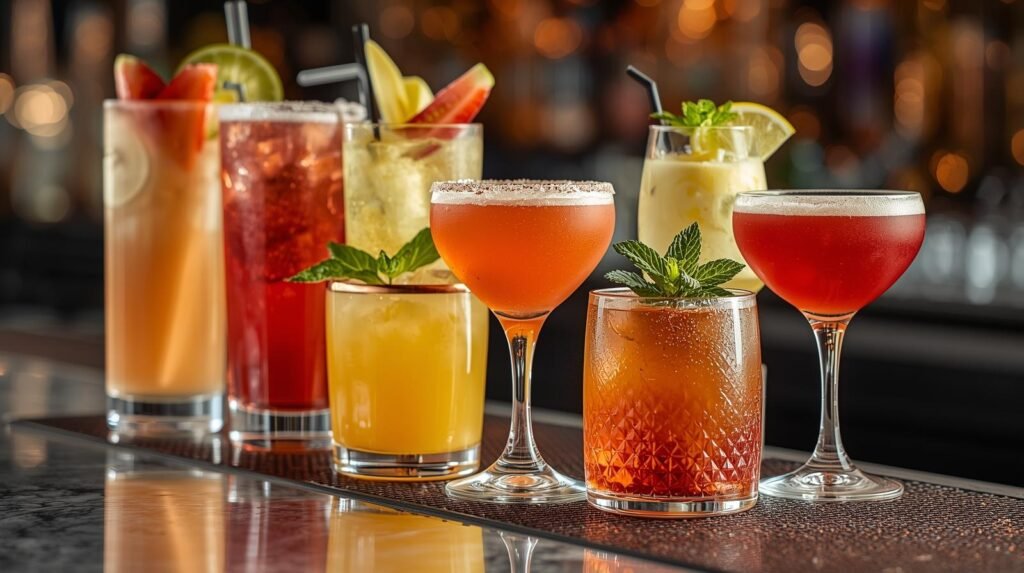
Creating a successful happy hour is one of the smartest ways restaurants can increase footfall during slower hours. With the right happy hour drink specials ideas, venues like EL Camino Kitchen can turn quiet evenings into buzzing social hotspots. Today’s guests are not just looking for cheap drinks—they want value, creativity, and an experience worth coming back for. A well-planned happy hour menu can improve customer loyalty, increase average spend, and strengthen your brand positioning. Below are proven drink concepts that consistently perform well in modern restaurant and bar settings. happy hour drink specials ideas that boost early traffic Timing is everything when it comes to happy hour success. Early-evening deals that help guests unwind after work tend to perform best. Light, refreshing drinks are particularly effective during this window because customers typically prefer easy-to-sip options before dinner. Spritz-style cocktails are a strong performer. Drinks made with sparkling wine, citrus, and light aperitifs feel premium while remaining cost-effective for restaurants. They are visually appealing, quick to prepare, and widely loved by both casual and upscale audiences. Another reliable option is house wine by the glass at a slightly reduced price. This encourages group orders and keeps service efficient during peak happy hour flow. Pairing these drinks with small complimentary snacks—like spiced nuts or mini nachos—can further increase perceived value without significantly impacting margins. For EL Camino Kitchen, positioning these lighter beverages at the top of the happy hour menu can help capture early guests and set the tone for the evening. happy hour drink specials ideas guests instantly recognize Familiarity drives fast ordering decisions. When customers see drinks they already know and love, they are more likely to order without hesitation. Classic cocktails with a slight twist work exceptionally well in happy hour promotions. Think of crowd-pleasers like mojitos, whiskey sours, and classic margaritas offered in a streamlined happy hour version. The key is maintaining quality while optimizing speed and cost. Pre-batched mixes (where appropriate) can help maintain consistency during busy periods. Beer buckets are another proven winner. Offering bundled pricing on bottled beers encourages group participation and increases table energy. This format works particularly well for sports nights and casual weekday gatherings. Signature house cocktails should also be part of the mix. When restaurants highlight one unique drink exclusive to their venue, it creates curiosity and brand recall. The goal is to balance comfort drinks with one or two conversation starters that make guests feel they discovered something special. happy hour drink specials ideas for premium upselling While discounts attract customers, smart restaurants use happy hour to drive profitable upgrades. The most successful programs include at least one “premium but approachable” option that encourages guests to trade up. One effective strategy is the “happy hour upgrade.” For a small additional charge, guests can switch to premium spirits or add flavor infusions. This keeps the entry price attractive while increasing average ticket size. Craft cocktails in smaller portions are another powerful tactic. Offering mini versions of high-end drinks allows guests to experience premium flavors at a lower commitment. Many customers end up ordering a second round or returning later for the full-sized version. Presentation also plays a major role in upselling. Eye-catching glassware, smoked garnishes, or colorful layers can justify slightly higher pricing even during promotional hours. At EL Camino Kitchen, visually distinctive drinks can encourage social media sharing, which brings organic marketing benefits. Smart pricing strategies that work Happy hour pricing should feel like a genuine deal without eroding brand value. Deep discounts may attract bargain hunters but often fail to build long-term loyalty. Instead, focus on value perception. Bundle offers perform particularly well. Pairing a drink with a small appetizer at a combined price often increases total spend compared to standalone drink discounts. Time-limited pricing windows—such as “5 to 7 PM only”—also create urgency and encourage earlier visits. Rotating weekly specials can keep the program fresh. For example, Taco Tuesday drink pairings or Weekend Sunset Specials give regulars a reason to return multiple times per month. Creating the perfect happy hour atmosphere Even the best drinks need the right environment to succeed. Music, lighting, and seating layout significantly influence how long guests stay and how much they order. Warm lighting and upbeat but not overpowering music tend to work best during happy hour. Quick service is equally critical—long wait times can quickly kill the momentum of promotional periods. Staff engagement is another major factor. When servers actively mention happy hour deals and make confident recommendations, attachment rates improve dramatically. Brief team training sessions before launching new promotions can make a noticeable difference. Final thoughts A winning happy hour is about more than discounts—it’s about delivering consistent value and memorable experiences. Restaurants that thoughtfully design their drink lineup, pricing, and presentation often see significant gains in weekday traffic and repeat customers. For EL Camino Kitchen, the opportunity lies in combining familiar favorites with a few standout signatures while maintaining strong operational efficiency. With the right approach, happy hour can become one of the most reliable revenue drivers on your menu.
Popular Tequila-Based Cocktails Beyond Margaritas
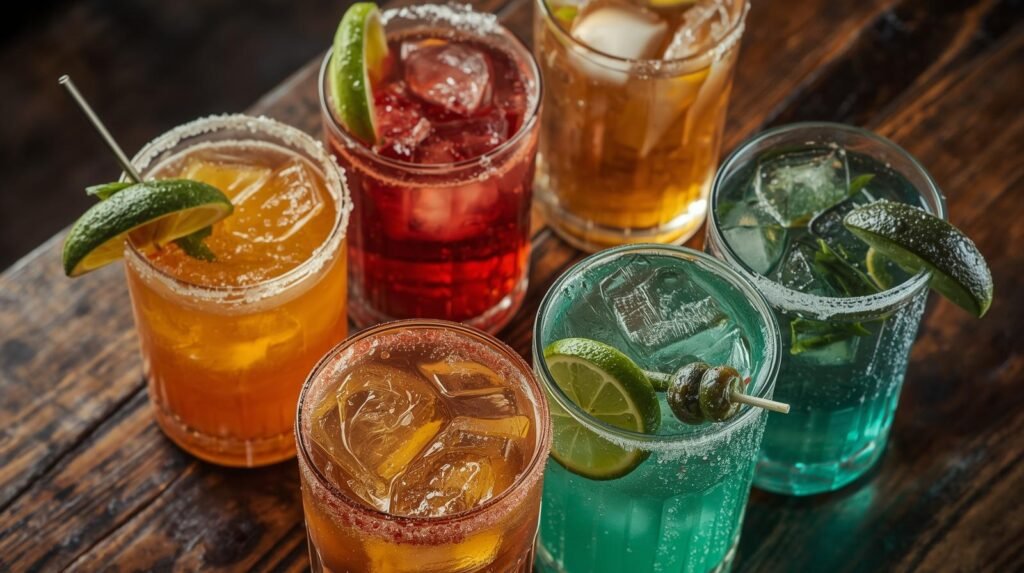
In today’s competitive hospitality scene, bars and eateries must continuously refresh their drink offerings to keep guests excited. One of the smartest ways to stand out is by exploring tequila cocktail ideas restaurant menus can feature beyond the classic margarita. Tequila’s versatility, smooth agave notes, and growing popularity make it perfect for crafting unique beverages that impress modern diners. For venues like EL Camino Kitchen, expanding the tequila lineup can boost customer engagement, increase average order value, and create a memorable brand identity. Below are some of the most popular tequila-based cocktails that deserve a place on your beverage menu. tequila cocktail ideas restaurant should feature: Paloma Perfection The Paloma is often considered Mexico’s true favorite tequila drink, yet many restaurants still underutilize it. This refreshing cocktail combines tequila, grapefruit soda (or fresh grapefruit juice with soda), lime, and a pinch of salt. Its crisp, slightly bitter profile makes it incredibly food-friendly. For restaurant menus, the Paloma offers excellent customization opportunities. You can create premium versions using fresh-pressed grapefruit juice, smoked salt rims, or infused tequilas. Seasonal twists—such as adding blood orange in winter or watermelon in summer—help keep the drink fresh year-round. From an operational standpoint, the Paloma is also efficient. It requires minimal prep time, uses widely available ingredients, and delivers consistent taste. Guests who find margaritas too sweet often prefer this balanced alternative, making it a strong upsell option for servers. tequila cocktail ideas restaurant menus love: Tequila Sunrise Revival The Tequila Sunrise is a visual showstopper that has made a strong comeback in modern bars. Made with tequila, orange juice, and grenadine, the drink creates a beautiful layered sunrise effect that photographs exceptionally well—perfect for today’s social-media-driven dining culture. Restaurants can elevate this classic by focusing on presentation and ingredient quality. Fresh orange juice, premium grenadine, and high-quality tequila instantly upgrade the drink from basic to boutique. Some venues even add edible flowers, dehydrated citrus wheels, or smoked glassware for extra flair. The real advantage of the Tequila Sunrise is its broad appeal. It’s approachable for casual drinkers, visually attractive for younger guests, and easy for bartenders to execute during busy service hours. When positioned correctly on the menu, it can become one of the highest-margin tequila drinks. tequila cocktail ideas restaurant bars are adding: Mexican Mule The Mexican Mule is a bold, spicy twist on the classic Moscow Mule, swapping vodka for tequila. Typically made with tequila, ginger beer, and lime juice, it delivers a bright, zesty flavor profile with a satisfying kick. This cocktail fits perfectly into modern restaurant programs because it bridges familiarity and novelty. Many guests already love mules, so the tequila variation feels both comfortable and exciting. Serving it in the traditional copper mug enhances perceived value and presentation. For EL Camino Kitchen, the Mexican Mule offers strong branding potential. You can experiment with jalapeño-infused tequila, hibiscus syrup, or flavored ginger beers to create signature house versions. It also pairs beautifully with Mexican and Tex-Mex cuisine, encouraging food-and-drink bundle sales. Operationally, it’s bartender-friendly and scalable during peak hours, which is crucial for high-volume service environments. Other tequila cocktails worth adding While the three drinks above are proven winners, forward-thinking restaurants often rotate additional tequila creations to keep menus dynamic. The Tequila Negroni brings a sophisticated, spirit-forward option for cocktail enthusiasts. The Ranch Water, a minimalist mix of tequila, lime, and sparkling water, appeals strongly to health-conscious guests seeking lighter drinks. Another rising favorite is the Spicy Tequila Spritz, which combines tequila with aperitif-style bitterness and carbonation—perfect for brunch and daytime service. Rotating limited-time tequila specials can also create urgency and repeat visits. Menu strategy tips for EL Camino Kitchen Adding tequila cocktails is not just about recipes—it’s about smart positioning. Place tequila drinks in a dedicated featured section rather than burying them in a long cocktail list. Use descriptive language that highlights freshness, premium ingredients, and flavor experience. Staff training is equally important. Servers who confidently recommend tequila drinks can dramatically increase attachment rates. Consider brief tasting sessions so the team can describe each cocktail authentically. Presentation matters as well. Unique glassware, garnishes, and color contrast can transform an ordinary drink into a signature visual moment that guests want to share online. Final thoughts Tequila’s global popularity continues to rise, and restaurants that diversify beyond margaritas are seeing strong returns. By introducing thoughtfully crafted tequila cocktails, EL Camino Kitchen can attract adventurous drinkers, increase beverage revenue, and strengthen its brand personality. The key is balance: offer familiar favorites with premium upgrades while also introducing one or two creative signatures that guests cannot find elsewhere. With the right mix, tequila can become one of the most profitable and exciting categories on your menu.
